'/%3e%3cpath%20d='M84%20126C60.804%20126%2042%20107.196%2042%2084C42%2060.804%2060.8041%2042%2084%2042L84%20126Z'%20fill='%235546FA'/%3e%3c/svg%3e)
Promoting Your Fashion Brand in China: Decoding the New Mindset
China’s Fashion Market 2025: Where Speed Meets Depth
In 2025, China’s fashion industry has become a paradox of speed and depth. Trends shift at lightning pace, yet emotional authenticity and cultural connection are what define success.
It’s where Western creativity meets China’s digital ecosystems — not through imitation, but through reinvention.
At China Digital Dynamics, we help global fashion brands navigate this landscape with strategies that blend data-driven insights, cultural storytelling, and platform fluency — turning visibility into long-term brand equity.
1. Fashion as a Mirror of Modern Identity
To market fashion in China, brands must first understand what fashion means here.
In the West, fashion often represents individuality. In China, it’s a social language — a way to express aspiration, belonging, and change.
Chinese consumers have evolved from status seekers to taste makers. According to Bain & Company (2024), over 60% of Chinese luxury buyers now purchase for emotional and self-expressive reasons rather than status. Brands need to translate emotional values into content that resonates — not just showcasing products, but telling stories that connect with identity and purpose.
2. Knowing Who You’re Talking To: The Power of Segmentation
China’s fashion audience is diverse — and segmentation is key to digital success. Each segment has its own cultural codes, media habits, and emotional drivers.
Gen Z: Culture Shapers
Digital-first, gender-fluid, and creatively driven, Gen Z defines what’s cool. They value authenticity over authority.
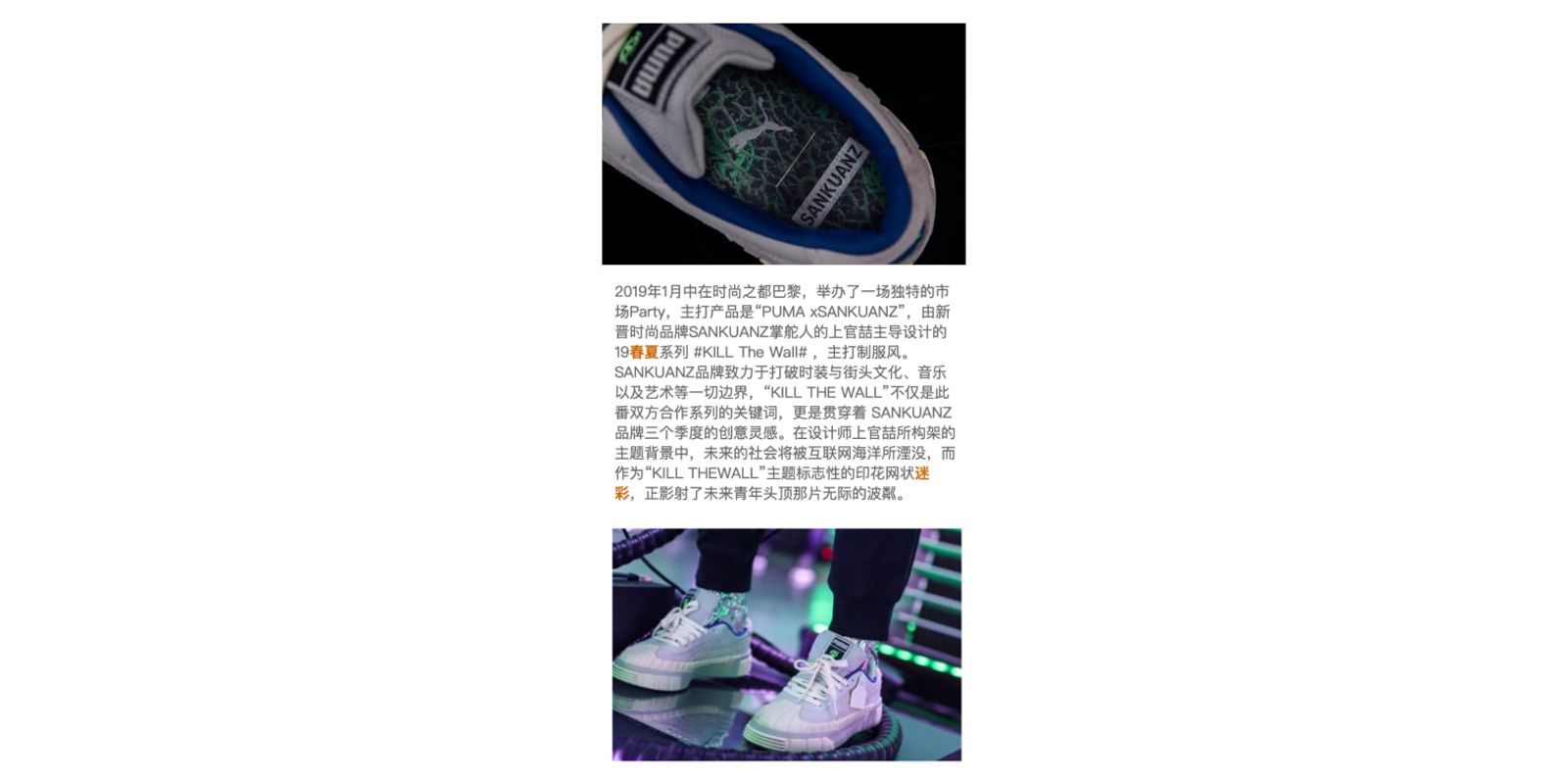
Example: Puma x Sankuanz — a collaboration with Chinese designer Shangguan Zhe — perfectly embodied this spirit. The campaign fused Chinese street subculture with avant-garde design, positioning Puma within youth communities rather than above them. It transformed brand messaging into a conversation — where creativity, rebellion, and identity met on equal ground.
Millennials: The Conscious Aesthetes
Millennials are the bridge generation: tech-savvy but also nostalgic for craftsmanship and meaning. They value sustainability, ethical sourcing, and cultural storytelling — and they’re willing to pay for meaning, not just material.
The “She Economy”
Women account for 70% of online fashion purchases (QuestMobile, 2024). On Xiaohongshu and Douyin, they are not just consumers — but tastemakers shaping brand reputation through authentic reviews and shared experiences.
3. Strategy First: Define Your Brand’s “Why China” Story
Before entering China’s fashion market, brands must articulate a local narrative — not just how we sell, but why we belong.
Ask:
- What cultural or emotional space does our brand naturally align with?
- How can we reflect Chinese creativity through our DNA?
Example:
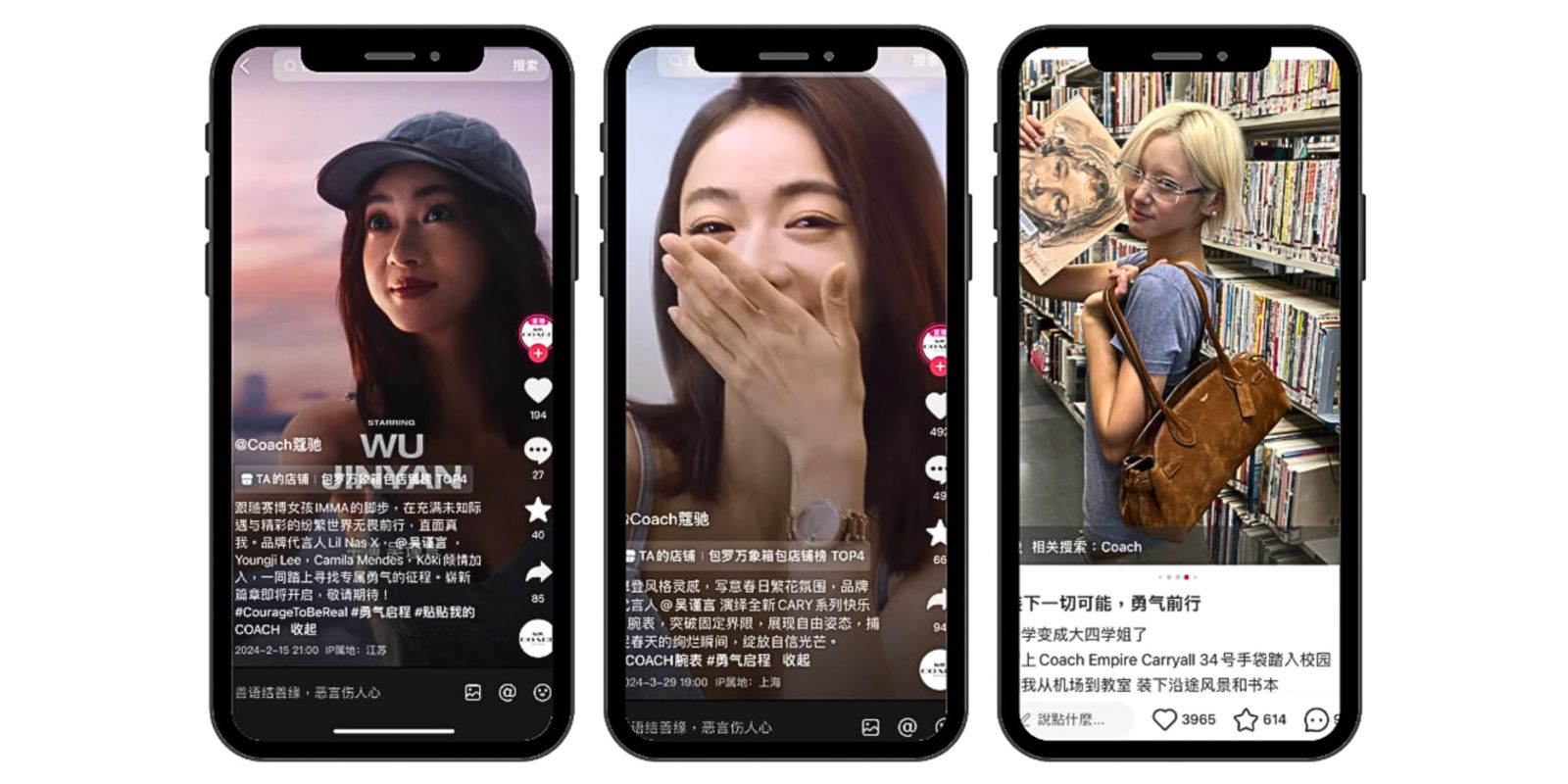
Coach’s “Courage To Be Real” campaign redefined the brand in China by collaborating with local creatives and promoting self-discovery. It transformed an American label into a symbol of individuality for modern Chinese consumers.
At China Digital Dynamics, we help brands craft their “Why China” story — combining cultural insights, SEO strategy, and local storytelling that align with Chinese values and aesthetics.
4. Platforms That Define the Fashion Conversation
Unlike Western markets, China’s digital landscape is fluid, integrated, and commerce-driven.
Here’s how each key platform drives influence:
WeChat: The Relationship Platform
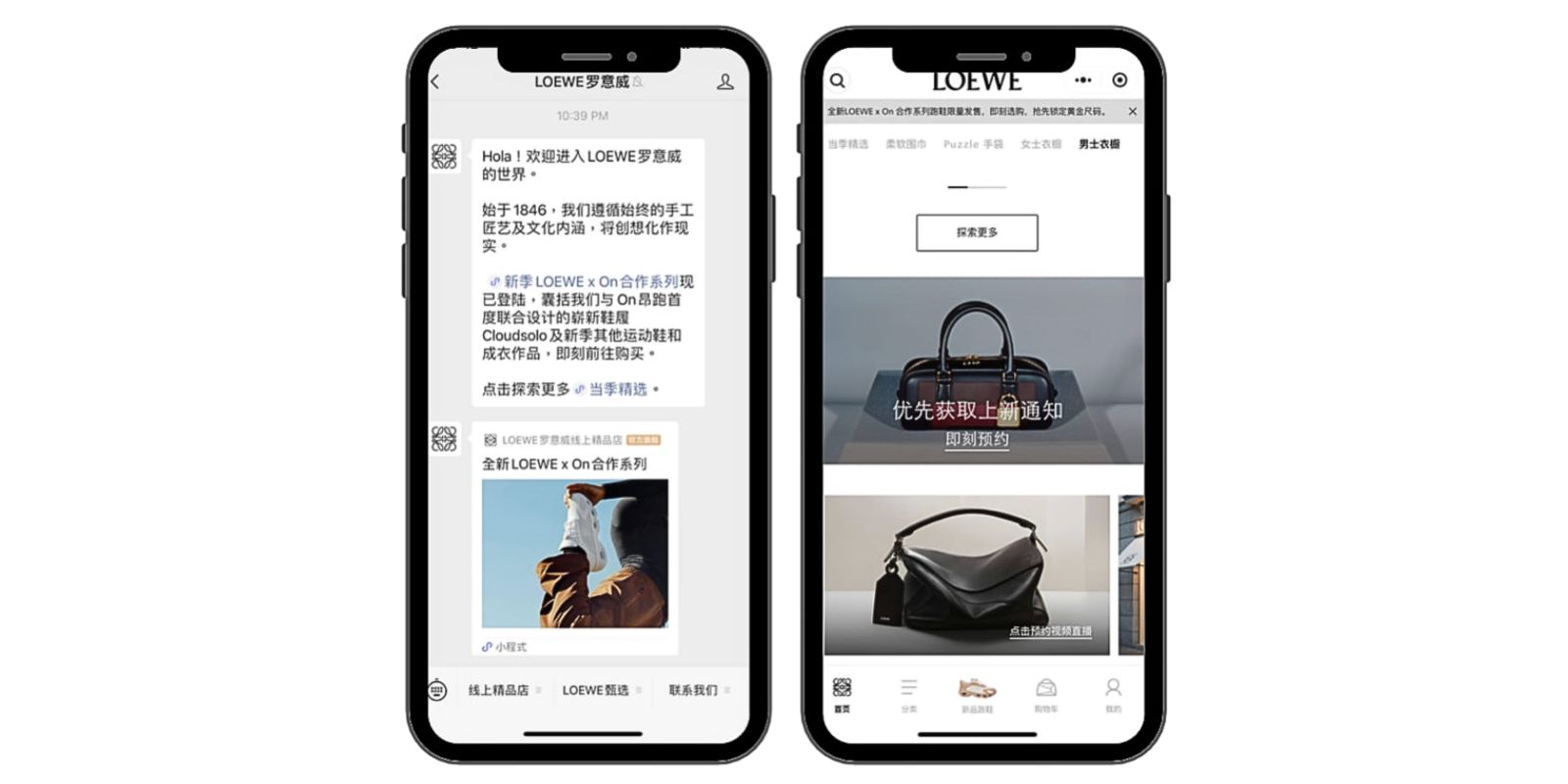
WeChat remains the nerve center for brand communication. Brands can use WeChat Mini Programs to create personalized shopping journeys, VIP experiences, and post-sale engagement.
Xiaohongshu: The Trust Engine
In China’s fashion world, credibility is currency.
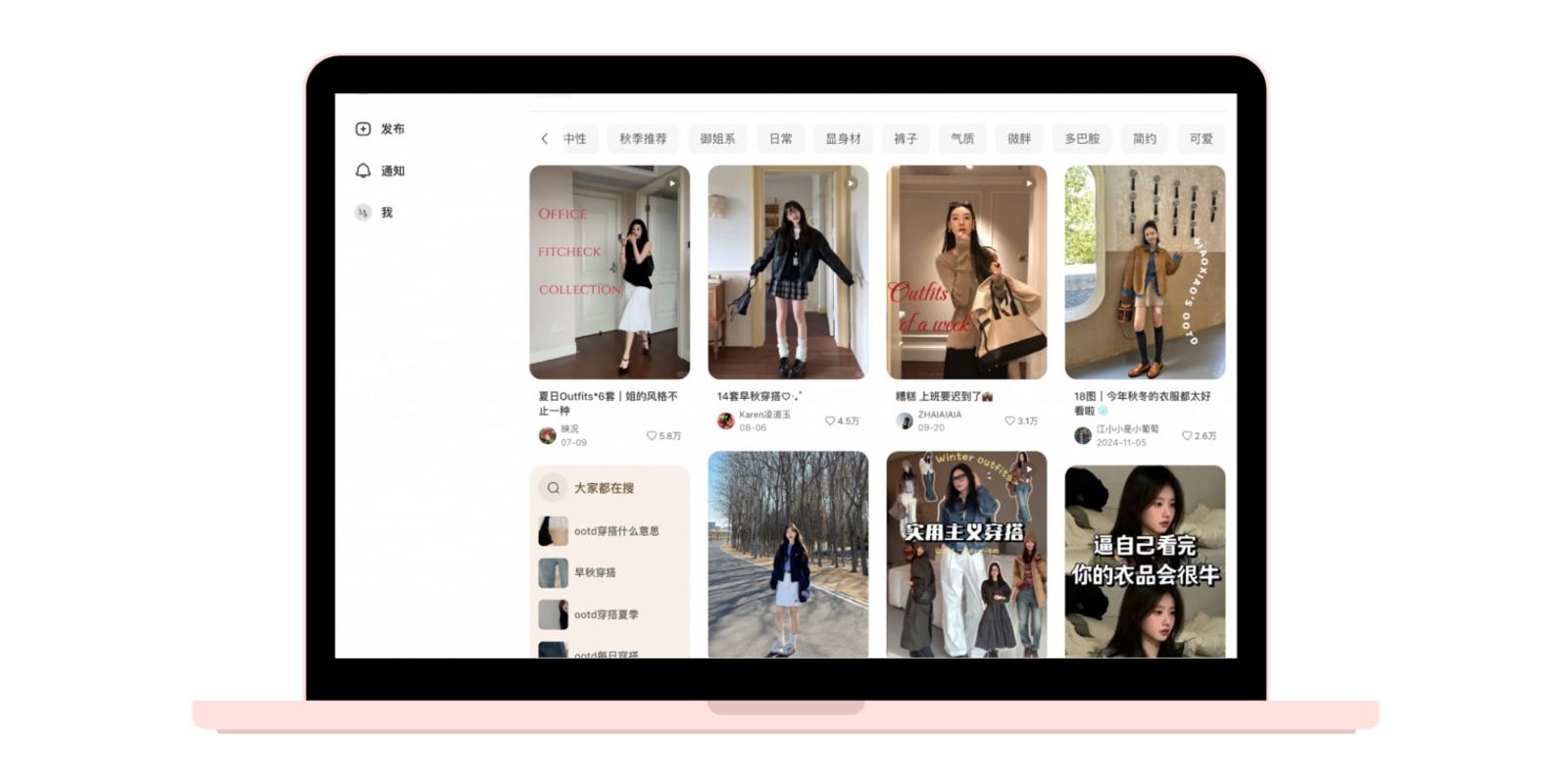
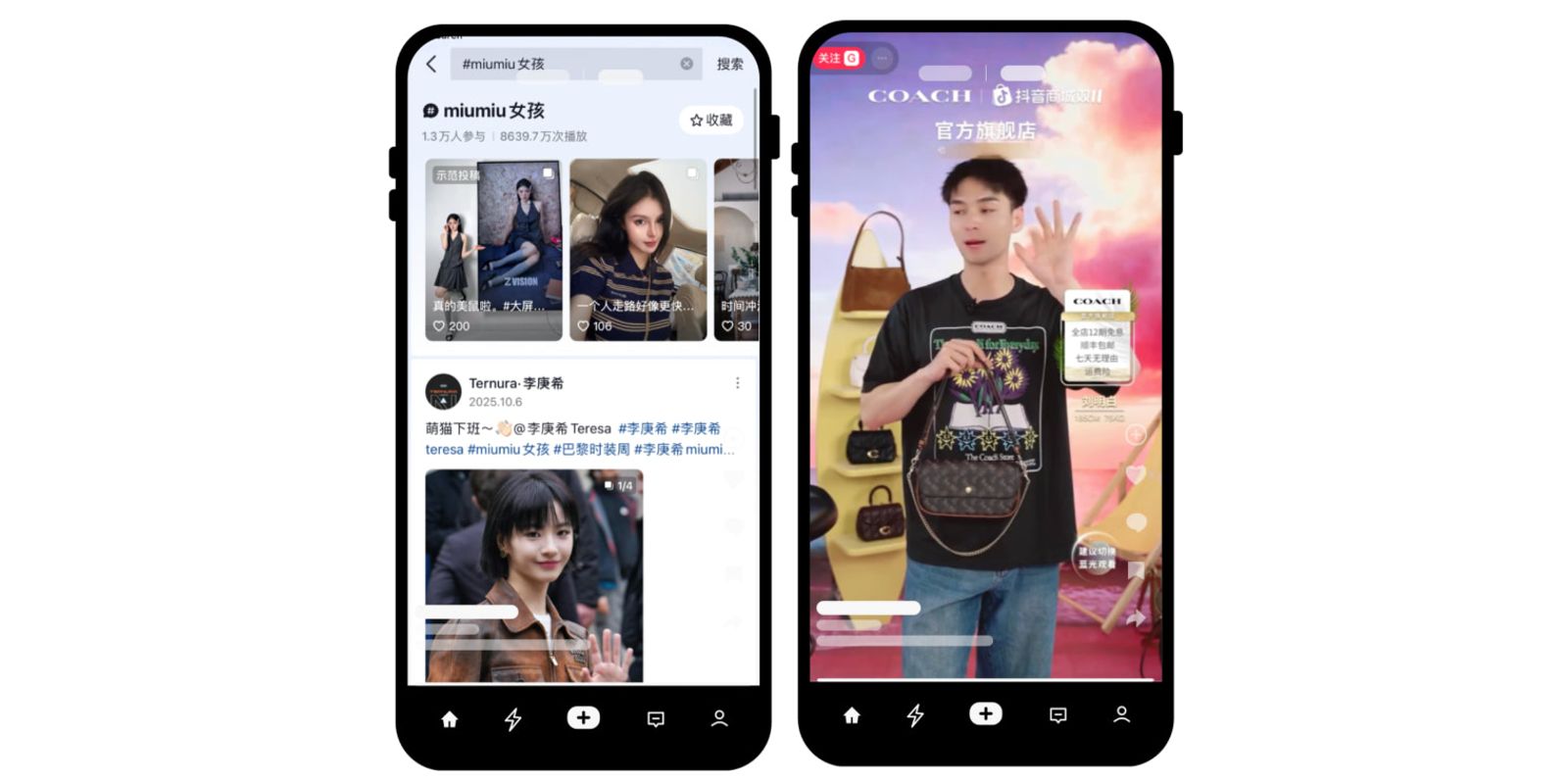
Platforms like Xiaohongshu thrive on user-generated content — where peer recommendations outweigh advertisements. Brands leverage micro-influencer storytelling to build trust and awareness through organic, hashtag-based campaigns like #OOTD or #MyFirstDesignerBag.
Douyin: The Performance Stage
Douyin is China’s stage for emotional storytelling. Its algorithm rewards short-form videos that evoke emotion, humor, or visual beauty. Instead of direct selling, brands succeed by creating aspiration and connection.
Example: Miu Miu’s “Miu Miu Girls” campaign invited creators to reinterpret femininity, sparking viral engagement.
Tmall Pavilion: From Clicks to Curated Experience
Alibaba’s Tmall Pavilion is where conversion meets experience.
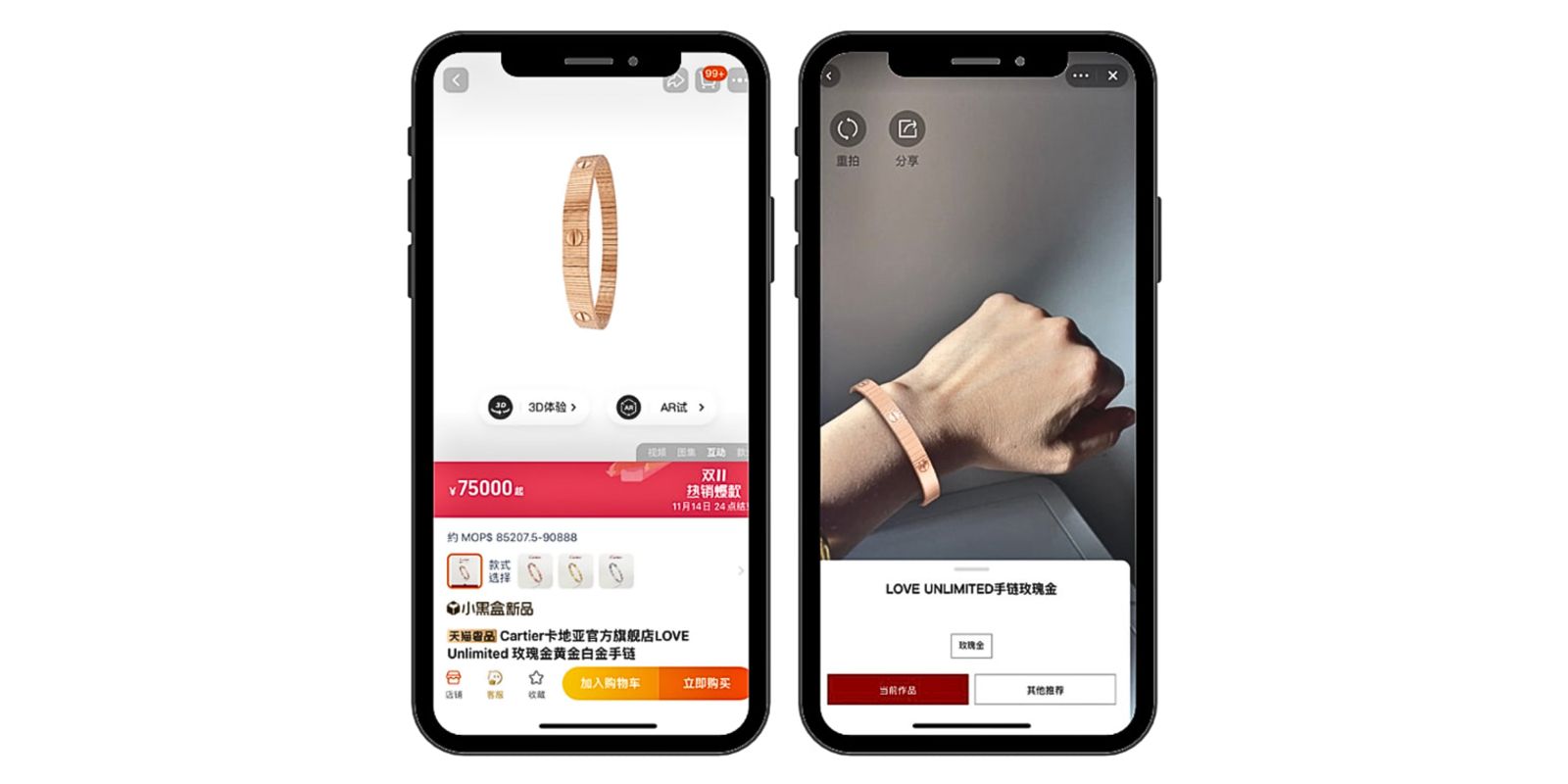
Its data-driven personalization and AR product viewing tools allow users to book appointments, explore styles, and chat with stylists in-app.
For example, Cartier’s Tmall Pavilion boutique allows users to view AR models of watches, book offline appointments, and receive personal styling advice from in-app chat assistants — blending luxury service with digital convenience.
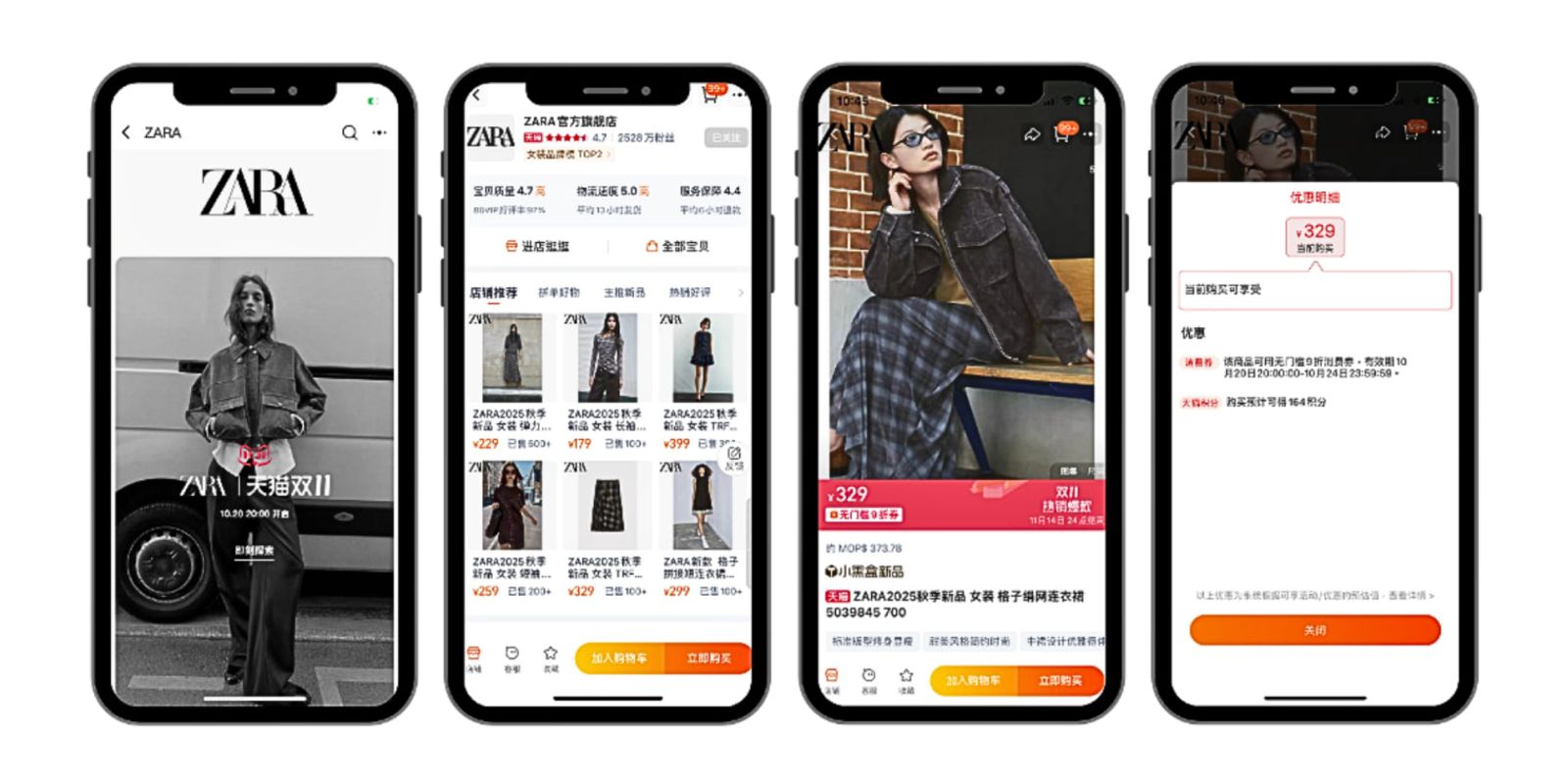
ZARA’s Tmall store, with 25+ million followers, remains a leader in female fashion. Its localized product descriptions, Chinese models, and early 11.11 live-stream campaigns demonstrate how fast fashion meets localization.
5. The Power of Collaboration: Co-Creation with Chinese Voices
Modern Chinese consumers value collaboration over endorsement. They no longer seek influencers for approval, but cultural translators — creators who reinterpret global aesthetics through a local lens.
Forward-thinking brands are embracing The Local Collaborator Strategy, partnering with Chinese artists, photographers, and youth collectives to infuse authentic cultural relevance. These collaborations do more than sell — they demonstrate respect for China’s creative ecosystem, positioning the brand as a participant, not an outsider.
Example: Moncler partnered with artist Dingyun Zhang and Shanghai creative collectives in its Art of Genius campaign, seamlessly blending art and fashion while showcasing genuine cultural connection.
(Photo source: online, Dingyun Zhang IG)

At China Digital Dynamics, we help global brands connect with local creators, stylists, and KOLs who reflect their brand values — transforming collaboration into authentic, human storytelling that resonates with Chinese audiences.
6. Culture as Currency
Cultural fluency has become the new luxury.
The brands that succeed don’t impose — they borrow and adapt local culture.
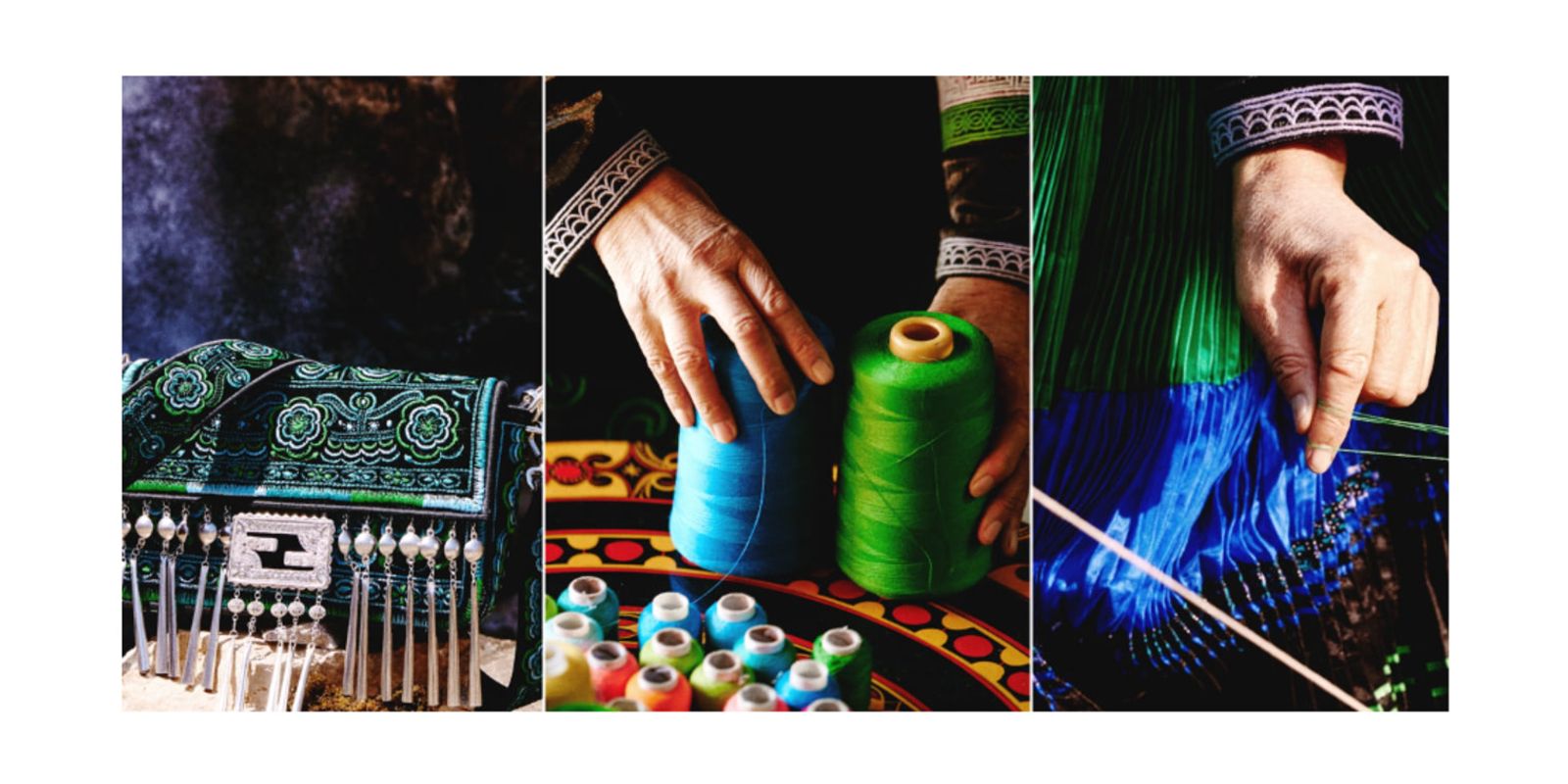
Example: Fendi’s “Hand in Hand” exhibition in Shanghai showcased Chinese artisans reimagining the Baguette bag using traditional embroidery, merging Italian heritage with Chinese craftsmanship.
(Photo source: online, Online, Fendi official website)
7. Localization and the Rise of Guochao (National Trend)
“Guochao,” or National Trend, continues to shape the pulse of China’s youth culture. Merging traditional Chinese motifs with contemporary design, it embodies a new sense of cultural confidence and creative pride.
Brands that learn to reference rather than replicate Chinese culture can authentically connect with local audiences — transforming cultural appreciation into brand relevance.
Example: Adidas Originals x Angel Chen launched a Guochao-inspired capsule collection, winning recognition for its cultural sensitivity, innovation, and genuine respect for Chinese aesthetics.
Source: Online – Sandra’s Closet

8. Fast Fashion’s Digital Evolution
Fast-fashion brands like ZARA, Mango, and Uniqlo thrive on real-time data, influencer engagement, and trend responsiveness.
Topics such as #ZaraFittingRoom (1B+ views) and #ZaraMix&Match (79M views) on Douyin showcase how short-form video challenges humanize fast fashion.
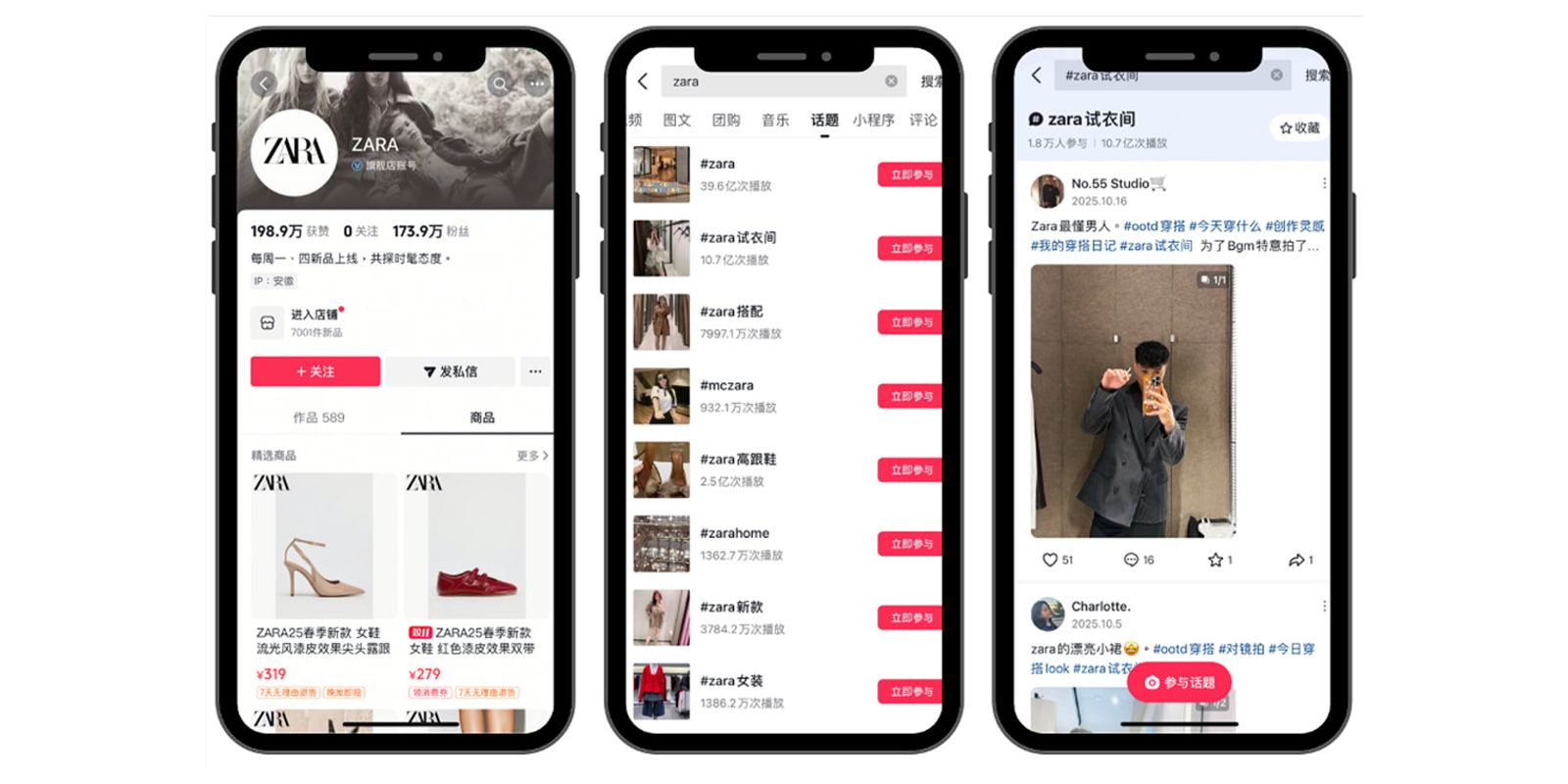
At China Digital Dynamics, we help fast-fashion brands adapt and accelerate — building responsive content calendars, creator collaborations, and social SEO strategies that move at China’s market speed.
9. Copyright and IP Protection in China’s Fashion Market
As China’s fashion industry continues to mature, intellectual property protection has become a strategic priority for international brands. Between 2024 and 2025, China intensified its IP enforcement — particularly across fashion and e-commerce — introducing stronger safeguards against counterfeits, design infringement, and unauthorized online reselling.
To protect brand integrity and consumer trust, fashion companies should:
• Register trademarks and design patents in both English and Chinese brand names.
• Monitor platforms such as Tmall, Douyin, and Xiaohongshu for counterfeit listings or brand impersonation.
• Collaborate with local legal and compliance partners experienced in fashion IP enforcement.
By actively managing their IP portfolios and digital presence, brands can preserve authenticity, exclusivity, and long-term value in China’s highly competitive market.
10. Future Directions: Fashion in the Age of Intelligence
Technology has become part of fashion’s emotional narrative. It doesn’t replace creativity — it amplifies it. AI and data-driven design now enable brands to predict trends, personalize experiences, and emotionally connect with audiences at scale.
As traditional fashion weeks evolve into hybrid showcases, metaverse fashion shows are democratizing access to luxury — allowing anyone with an internet connection to experience the spectacle of high fashion. From digital-only collections that can be “worn” on social media to interactive 3D showrooms, this technological evolution is redefining what it means to be fashion-forward in the digital era.
Key trends shaping the future include:
• AI Personalization: Platforms like Douyin and Tmall use AI to curate fashion recommendations and tailor content in real time.
• Digital Fashion: Gen Z consumers increasingly invest in virtual garments, NFTs, and metaverse wearables to express identity online.
• Data-Driven Emotion: AI can now interpret emotional reactions to visuals, empowering brands to co-create based on data-informed aesthetics.
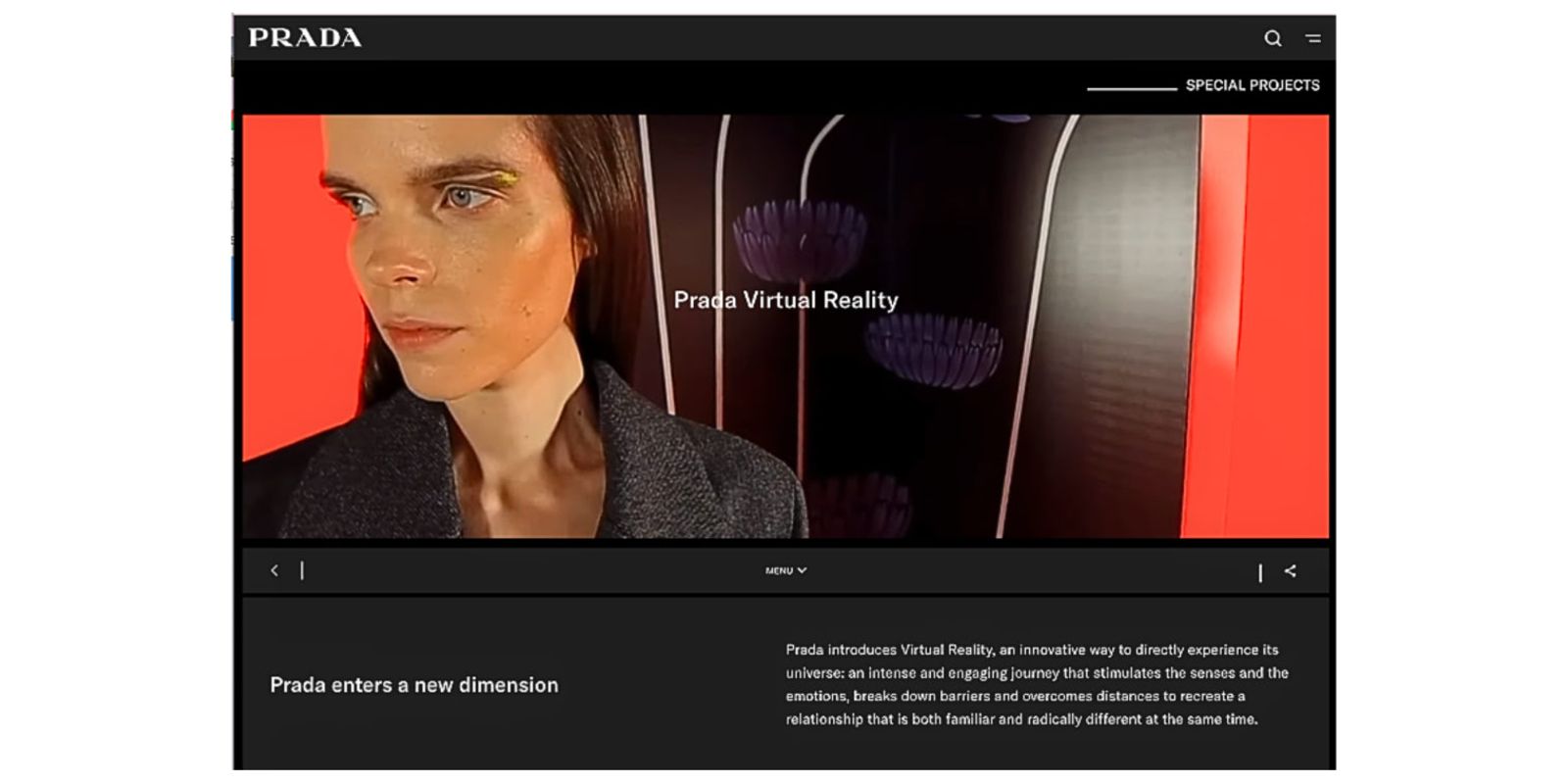
Brands like Prada and Burberry are already pioneering digital wearables — blending prestige, innovation, and play.
Source: Prada official website
11. Building Longevity in a Fast Market
Sustainable success in China’s fast-moving fashion industry comes from long-term commitment to:
• Cultural Empathy: Invest in understanding humor, holidays, and habits as creative insight.
• Community: Build WeChat clubs, RED challenges, and offline events that foster belonging.
• Purpose: Align with values like sustainability, empowerment, and inclusion to earn emotional loyalty.
The Final Stitch
Promoting a fashion brand in China isn’t just about selling style — it’s about joining a cultural movement in progress.
At China Digital Dynamics, we help fashion brands transform visibility into influence through storytelling that feels human, strategy that feels local, and creativity that scales globally.
In China’s 2025 fashion landscape, the brands that listen, localize, and co-create won’t just win attention — they’ll win hearts.