'/%3e%3cpath%20d='M84%20126C60.804%20126%2042%20107.196%2042%2084C42%2060.804%2060.8041%2042%2084%2042L84%20126Z'%20fill='%235546FA'/%3e%3c/svg%3e)
Marketing Trends in China 2025: AI Marketing, Personalization & Social Commerce and more key drivers
Introduction
China has long been recognized as one of the most dynamic, innovative, and competitive digital markets in the world. By 2025, it remains at the forefront of digital marketing in China 2025, offering global brands cutting-edge market insights. With over one billion digitally connected consumers and a highly advanced technology ecosystem, China provides marketers with a real-time laboratory for understanding emerging China marketing strategies.
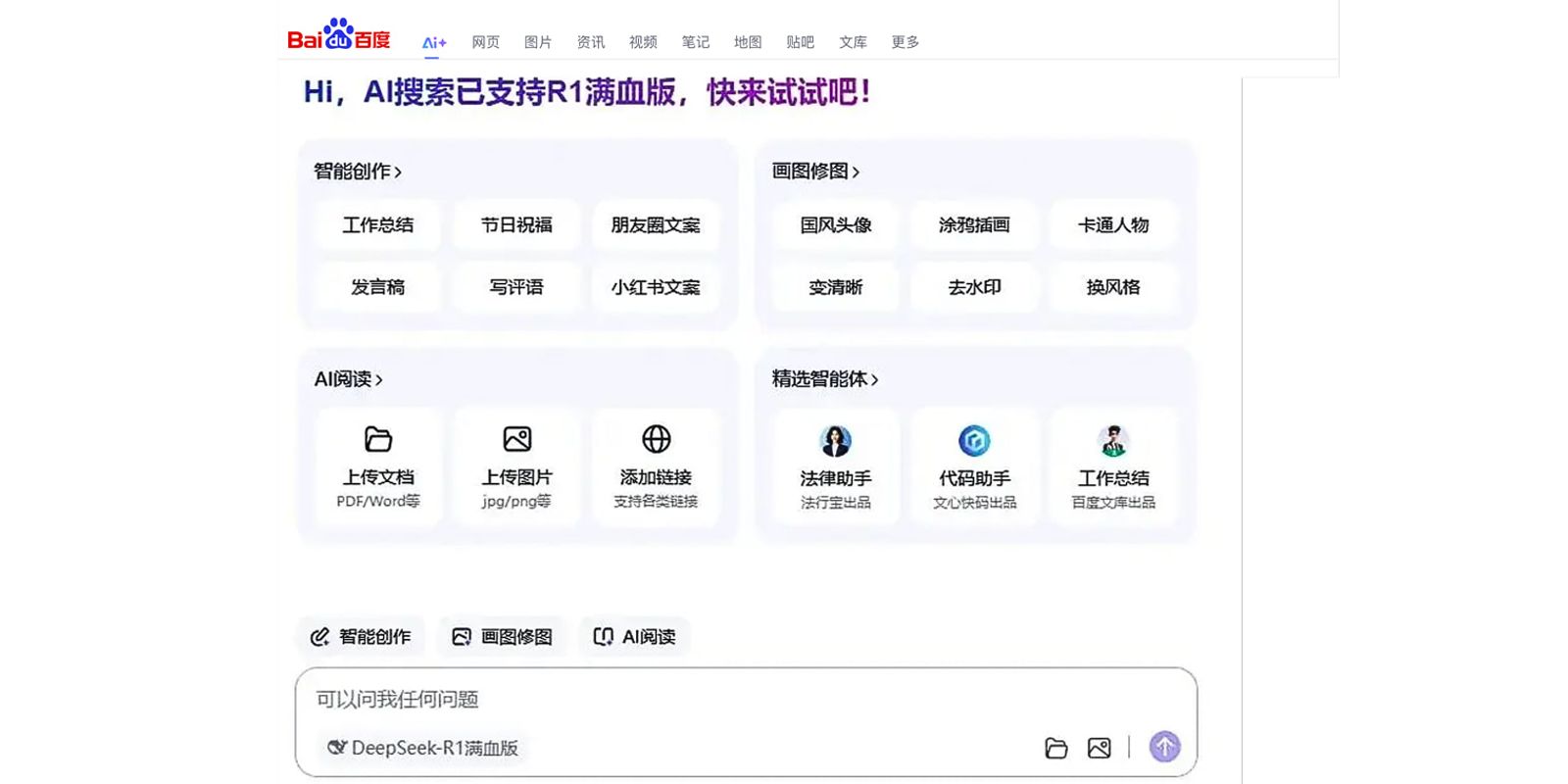
The driving force behind this evolution is AI marketing in China. From hyper-personalized experiences to predictive analytics and AI-enabled social commerce, artificial intelligence is reshaping how brands interact with consumers while raising their expectations. Yet AI is only part of the story. The Chinese market in 2025 is defined by the integration of AI with social platforms, immersive experiences, consumer trust, and regulatory compliance.
Based on China Digital Dynamics’s expertise as a digital marketing agency focused exclusively on China, we outline eight key drivers of successful AI-powered marketing in 2025, helping global brands seize opportunities and adapt their strategies.
1. AI-Driven Personalization Becomes the Standard
Personalization has long been important in China, but by 2025 it has become the baseline expectation. Chinese consumers demand content, offers, and experiences that feel uniquely tailored to them.
AI-powered personalization enables this at scale. Advanced algorithms analyze browsing history, purchasing patterns, device types, and contextual data to offer highly tailored recommendations. E-commerce platforms like Alibaba and JD.com create individualized homepages for each user, while AI tools in livestream commerce optimize product highlights and pricing in real time. What was once a one-to-many broadcast is evolving into a one-to-one interactive experience powered by machine learning.
This approach drives deeper loyalty and engagement. Brands leveraging AI for continuous learning and optimization are set to outperform in the 2025 China digital marketing landscape.
2. AI and Social Commerce: Building Smarter Ecosystems
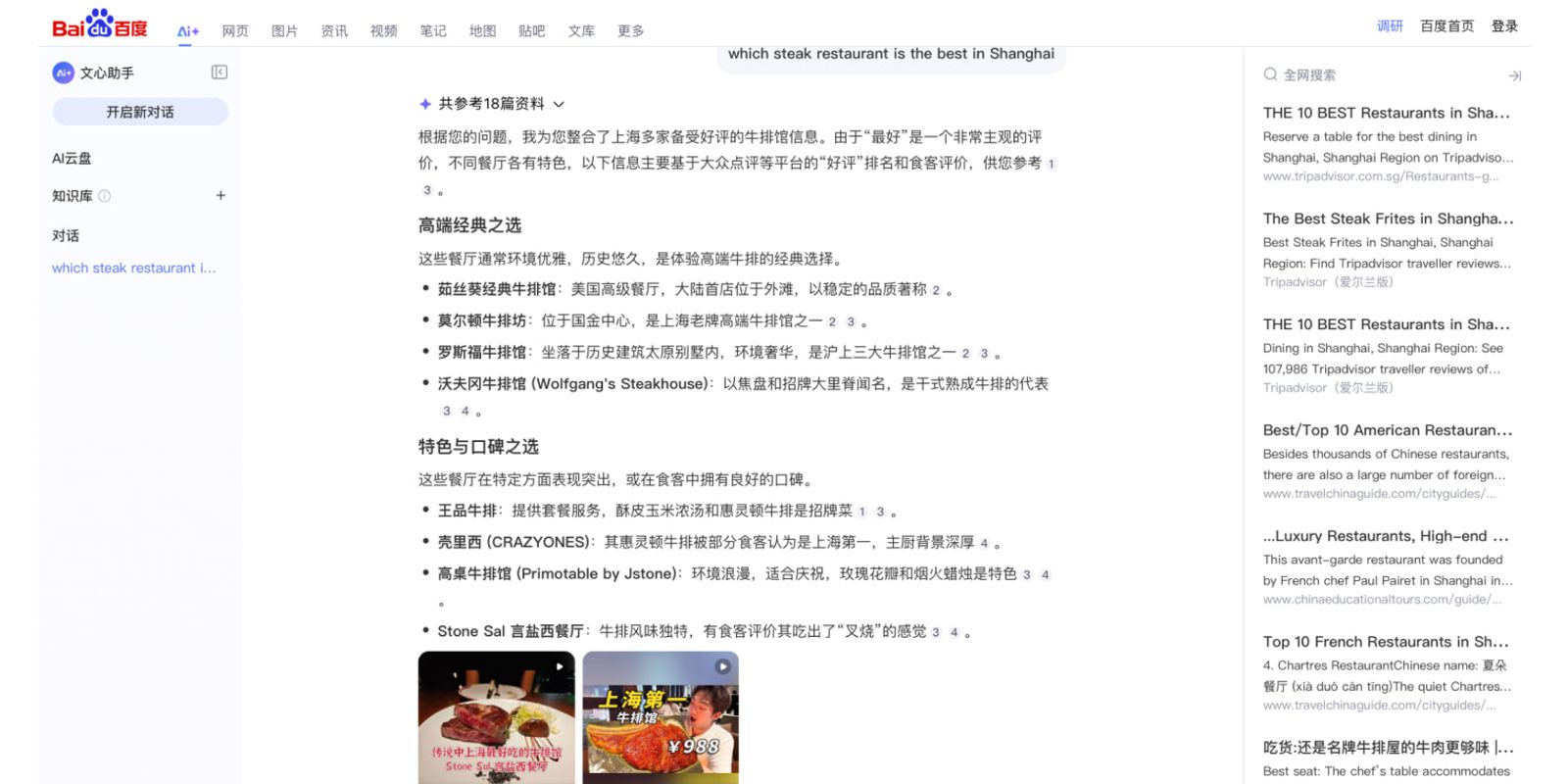
Social commerce is at the heart of Chinese consumer culture. Platforms such as WeChat, Douyin, Xiaohongshu, and Kuaishou seamlessly integrate discovery, reviews, and purchase functions.
In 2025, AI amplifies this ecosystem in two ways. First, recommendation engines are more predictive than ever. They not only show users what they might enjoy but also anticipate when they are most likely to buy. For example, algorithms factor in payday cycles, weather conditions, or lifestyle patterns to time product promotions for maximum impact.
Second, AI-powered influencer marketing. Influencers, KOLs and KOCs, are increasingly using AI tools to generate and scale content, while brands use AI-driven analytics to assess campaign effectiveness beyond vanity metrics. Instead of tracking likes or shares, companies now evaluate how influencer partnerships contribute to long-term consumer engagement, repeat purchases, and brand equity.
Social commerce in 2025 is no longer just shopping—it is social + AI + trust + community, driving measurable outcomes.
3. Immersive Experiences Enter the Mainstream
While immersive technologies once seemed futuristic, in 2025 they are firmly part of everyday marketing. Chinese consumers are engaging with products through augmented reality (AR), virtual reality (VR), and gamified platforms, blurring the line between digital and physical.
AR try-on features, particularly in beauty and fashion, have become standard. A consumer considering a new lipstick shade can test it instantly using their smartphone camera. Home décor brands allow users to visualize how furniture will fit into their living rooms with a few taps.
Meanwhile, VR showrooms are increasingly replacing static catalogs. Instead of browsing a flat product grid, consumers can “walk through” a digital store, interact with displays, and access personalized product demos.
Gamification is another powerful driver. Loyalty programs are now designed as interactive ecosystems where users unlock rewards, complete challenges, and share achievements socially. AI ensures these experiences remain engaging by tailoring challenges to individual preferences.
AI ensures these immersive experiences are personalized, engaging, and relevant, turning novelty into utility and delight.
4. The Rise of AI-Powered Consumer Insights
One of the most powerful applications of AI in 2025 is not in content creation but in understanding consumers at a deeper level. China’s digital platforms generate enormous volumes of data—search queries, comments, livestream chat, purchase records, and even biometric inputs from wearable devices. The challenge has always been making sense of this complexity.
AI is now bridging that gap. Natural language processing tools scan millions of conversations across social platforms to detect emerging micro-trends before they hit the mainstream. Computer vision models analyze how consumers interact with products in short videos, uncovering subtle cues about preferences. Predictive analytics map out not only what consumers are doing today but what they are likely to want tomorrow.
This evolution transforms marketing strategy. Instead of being reactive, brands can anticipate shifts in consumer behavior and align campaigns proactively. Importantly, AI is not just a production tool—it is a listening device, capable of translating raw data into insights that bring marketers closer to consumer realities.
For China Digital Dynamics’s clients, AI-driven insights in China enable precision marketing, reducing guesswork and focusing on what matters most to consumers.
5. Consumer Trust and Authenticity as Core Differentiators
Trust remains a cornerstone of 2025 China digital marketing. Gen Z and Millennials prioritize transparency, authenticity, and alignment with brand values.
AI supports brands by:
- Detecting fake reviews and inauthentic influencer activity
- Optimizing recommendation engines to prioritize helpful interactions over intrusive targeting
- Enabling transparent and sustainable supply chain practices
Brands that combine responsible AI with authentic human values gain long-term consumer loyalty.

6. Predictive Marketing: From Data to Foresight
Predictive analytics is essential for AI marketing in China. Brands use AI to forecast demand, optimize logistics, and identify the best moments to engage consumers.
Retailers apply predictive models to forecast demand, optimize stock levels, and streamline logistics. Marketers use behavioral data to identify when a consumer is most likely to purchase, enabling campaigns to be timed with extraordinary precision. Even product innovation pipelines are influenced by predictive insights, as companies mine consumer feedback and trend data to shape new offerings.
Predictive marketing transforms campaigns from reactive to proactive, giving brands a competitive edge in China marketing strategies 2025. Brands that can act in advance—anticipating needs, avoiding shortages, and innovating ahead of demand—gain a decisive edge.
7. The New Role of Influencers and KOLs
Influencer marketing in China remains crucial, but it is evolving. In 2025, the distinction between Key Opinion Leaders (KOLs) and Key Opinion Consumers (KOCs) has blurred, with both playing central roles in shaping consumer decisions.
AI is influencing this ecosystem in two ways. First, some influencers are experimenting with AI-generated personas, creating digital twins that can participate in campaigns without requiring the influencer’s constant involvement. This expands reach while maintaining a recognizable presence.
Second, brands are using AI-powered influencer analytics to move away from chasing follower counts and instead focus on relevance and conversion. Micro-influencers in niche communities are often more impactful than celebrities because they foster deeper trust. AI helps identify these high-potential voices, ensuring partnerships align with brand goals and target audiences.
Source: Yili official website

8. Regulation and Responsible AI
China’s evolving regulations demand ethical AI marketing practices. Stricter guidelines on data privacy, algorithm transparency, and consumer protection encourage brands to adopt privacy-first personalization strategies.
While compliance adds complexity, it also drives innovation. Many companies are adopting privacy-first personalization strategies, using anonymized or aggregated data to deliver relevance without overstepping. AI itself is being leveraged to enhance compliance—automatically flagging risks, monitoring data flows, and ensuring adherence to regulations.
Responsible AI protects consumers and enhances brand reputation, making ethics a critical component of China marketing strategies in 2025.
Conclusion: The Future of AI-Powered Marketing in China
The marketing landscape in China 2025 illustrates how technology and human values intersect in powerful ways. AI is at the core of personalization, predictive marketing, social commerce, and consumer insights. Yet alongside these advancements, trust, authenticity, and responsibility remain non-negotiable.
The eight drivers above show that global brands need both technological sophistication and cultural sensitivity. China Digital Dynamics helps international brands turn trends into actionable AI marketing strategies in China, bridging innovation with trust, data with meaning, and technology with empathy.