'/%3e%3cpath%20d='M84%20126C60.804%20126%2042%20107.196%2042%2084C42%2060.804%2060.8041%2042%2084%2042L84%20126Z'%20fill='%235546FA'/%3e%3c/svg%3e)
Breaking Through in China: Artists, Creators & Influencers
1. Introduction: The Age of Cultural Influence
China’s creator economy is entering a new golden era. With over 800 million short video users and nearly 20 million active livestream hosts, content creation has become one of the nation’s most powerful cultural and economic engines.
From Douyin’s 6 billion daily video views to WeChat Channels’ integration of commerce and community, traditional advertising alone no longer drives engagement. Brands must collaborate, co-create, and connect authentically with audiences.
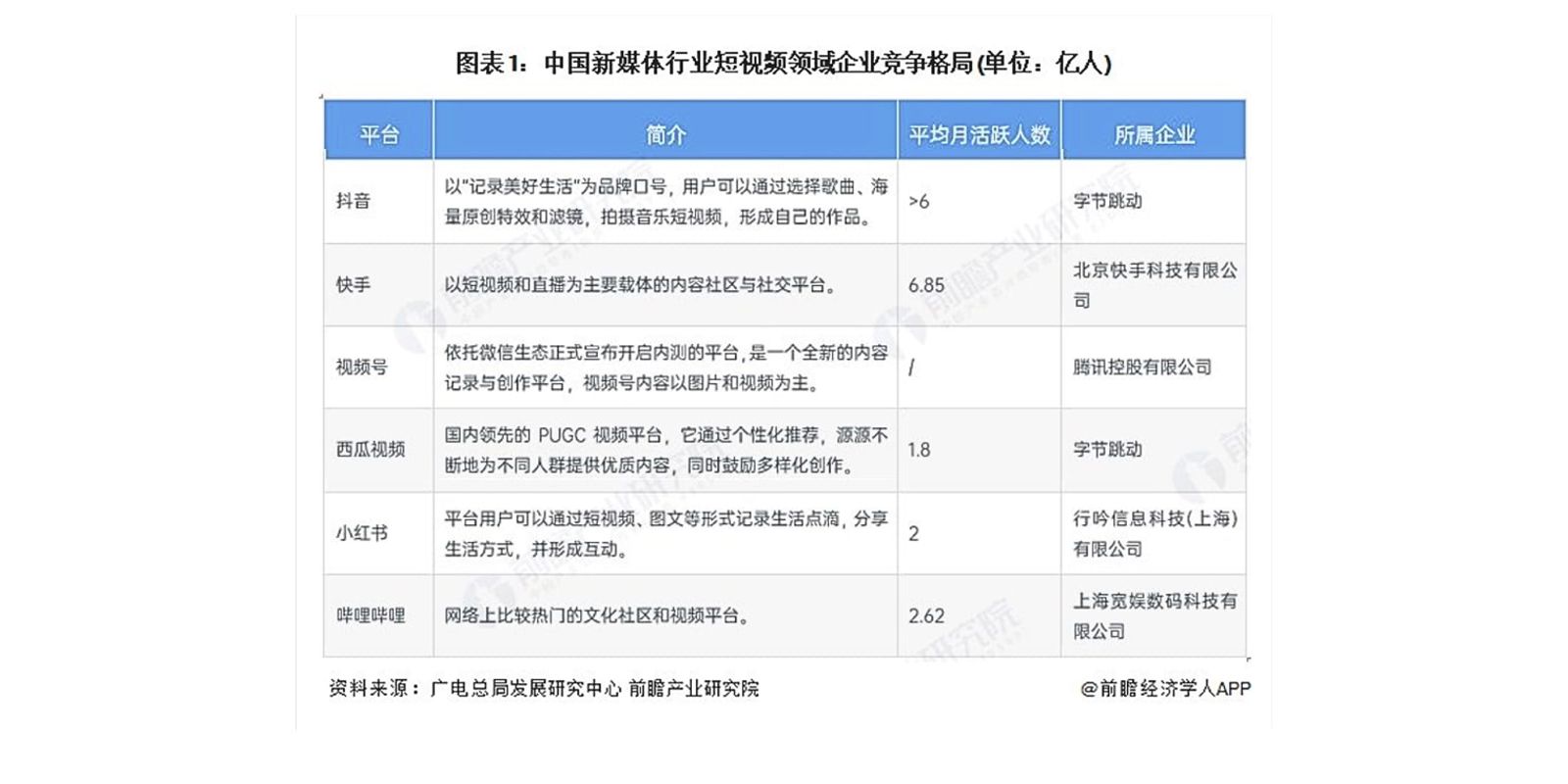
According to Sina Finance, China’s short video ecosystem has evolved from a “two-giant dominance” model into a three-pillar structure:
- Douyin: 600+ million daily active users.
- Kuaishou: Around 685 million monthly and 387 million daily active users.
- WeChat Channels: Integrated with core WeChat features—Chats, Moments, Official Accounts, Mini Programs, and Discover—emerging as a major force in content and commerce.
Other platforms, such as Yangshipin (CCTV Video), Xigua Video, Tencent WeSee, and more, continue to focus on niche and differentiated verticals based on their own positioning and strengths. Their average monthly active user bases range between 100 million and 300 million, reflecting a maturing and diversified market structure.
In this landscape, creators—artists, chefs, musicians, and digital storytellers—act as cultural interpreters, translating brand values into emotion and trust. Influence in China is no longer about fame; it’s about relevance, resonance, and real connection.
2. The Power Shift: From Celebrity KOLs to KOCs
Just few years ago, marketing in China revolved around mega KOLs (Key Opinion Leaders). Today, the rise of KOCs (Key Opinion Consumers)—authentic micro-influencers and real users—has transformed the ecosystem.
On platforms like Xiaohongshu (RED), KOCs are shaping trends through personal stories and real experiences. Instead of glossy campaigns, audiences trust unfiltered, everyday voices that show “real China.”
Examples:
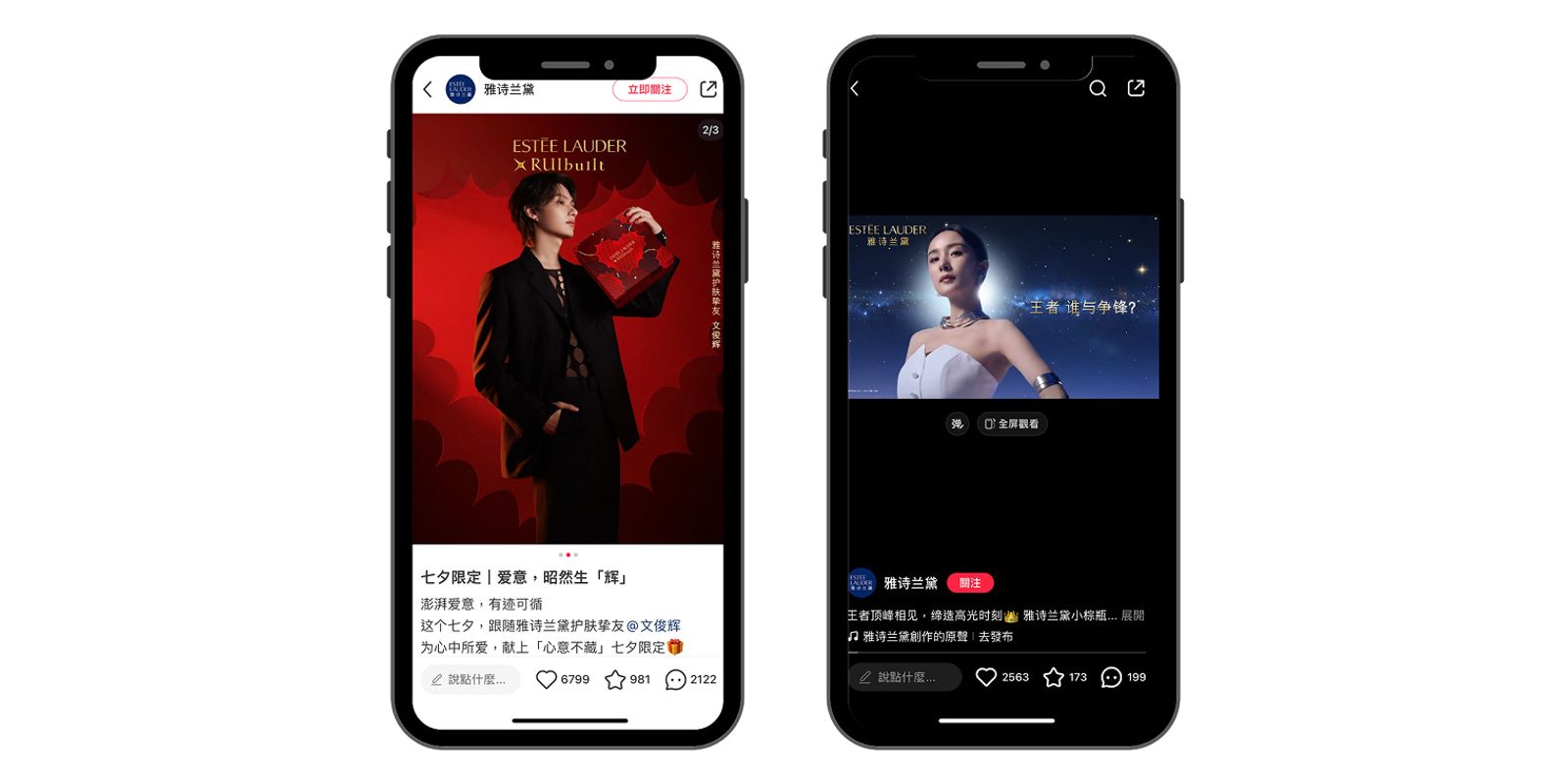
Estée Lauder China strategically leverages celebrities, KOLs, KOCs, and e-commerce platforms to boost brand visibility and engagement.
- Celebrity and Influencer Strategy:
- Yang Mi served as brand ambassador, promoting products via Xiaohongshu, Weibo, and Douyin, driving social engagement and product mentions.
- Wen Junhui, a member of the popular boy band SEVENTEEN, was announced as Estée Lauder's "Skincare Friend (Muse)," contributing to campaigns such as the Qixi Festival limited edition gift boxes, which successfully evoked emotional resonance and romantic associations on social media.
- Multi-platform amplification of Estée Lauder:
- KOLs/KOCs on Xiaohongshu, Taobao, and Douyin generated high volumes of user-generated content.
- Users praised products like Advanced Night Repair Eye Cream and Black Diamond Age-Defying Serum, reinforcing the brand’s high-end, innovative image.
- Impact:
- Strengthened brand presence among younger consumers
- Increased social media engagement and user-generated content
- Reinforced a consumer-centric strategy integrating celebrity influence, influencer marketing, and e-commerce
This illustrates a new marketing equation: authenticity > advertising.
3. Glocalization in Action: Foreign Creators Bridging Global and Chinese Audiences
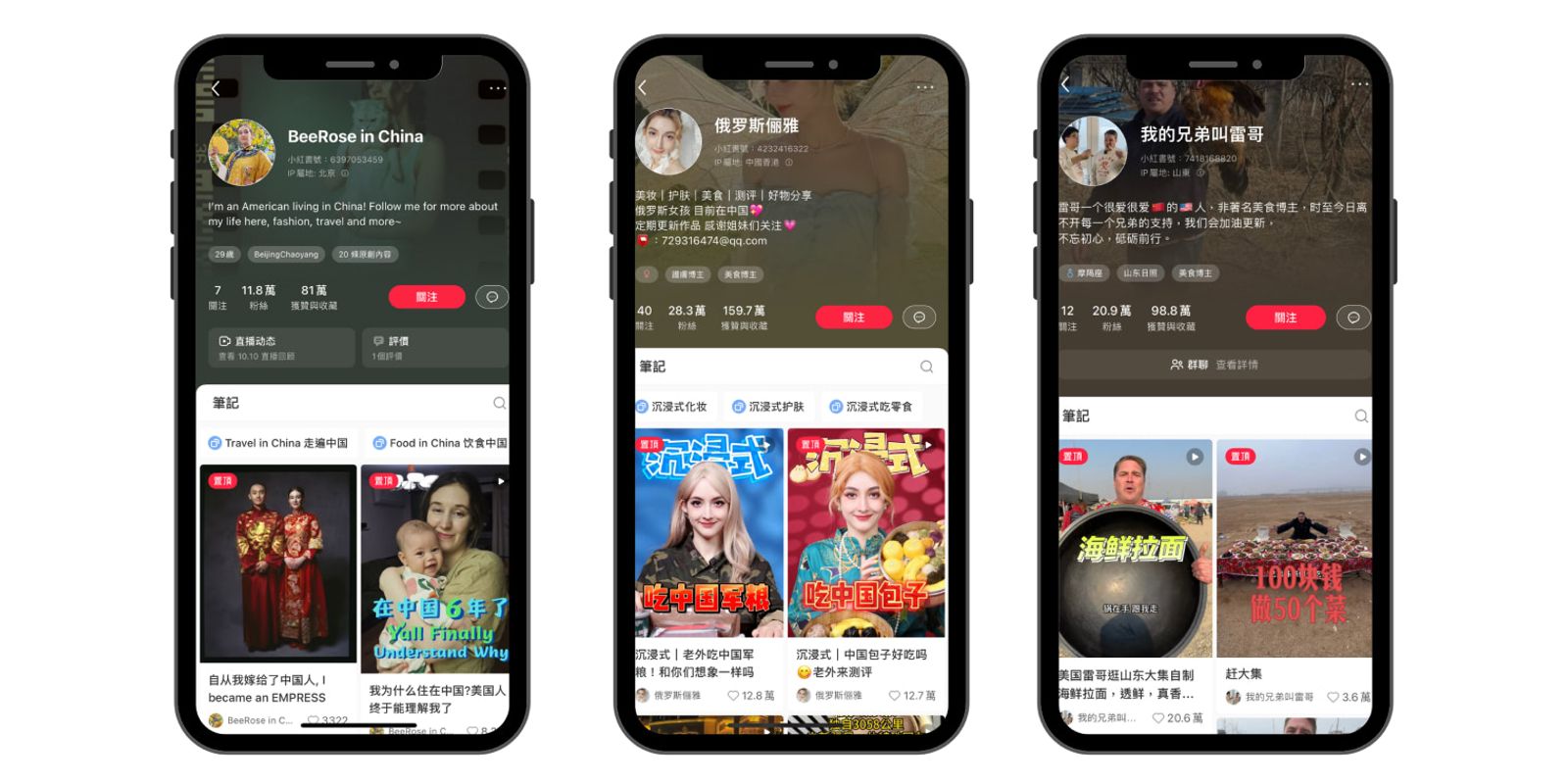
Over the past five years, foreign influencers living in China have emerged as powerful cultural connectors. From lifestyle YouTubers turned Douyin stars to bilingual chefs sharing fusion recipes, these creators translate China to the world—and the world to China.
This trend embodies “glocalization”: blending a global perspective with authentic local storytelling.
A notable example is the rise of TikTok refugees—foreign creators who migrated to Chinese platforms like Douyin and Xiaohongshu. By bringing fresh perspectives, international followings, and cross-cultural content, they are opening new opportunities for brands to engage audiences in innovative ways, co-create culturally resonant campaigns, and expand into China’s dynamic social media ecosystem.
4. Livestreaming & Short Video: The Data Behind the Trend
China’s livestreaming and short video ecosystem has become the beating heart of its digital economy. According to 2025 official data (Sources: China Youth Daily, Sina Finance, iMedia Research 2025):
- 1.93 million registered livestreaming accounts and 33 million monthly active streamers
- Livestreaming revenue: RMB 212.6 billion in 2024 (excluding advertising)
- Short video and live commerce users: 833 million+, with daily viewing frequency of 4–5 times per user
Platform Insights:
- Douyin (TikTok China): 600M+ daily active users; the top choice for entertainment, lifestyle, and commerce
- Kuaishou: 685M monthly users; strong presence in lower-tier cities
- WeChat Channels: Rapid growth fueled by integration with the WeChat ecosystem, combining content, commerce, and CRM
5. New Forms of Collaboration: Art, Cuisine & Brand Co-Creation
Cultural co-creation has emerged as one of the most powerful ways for brands to build authenticity and emotional connection in China. Rather than relying solely on traditional advertising, leading brands are now partnering with local artists, creators, chefs, sports stars, business leaders, and industry experts to craft shareable, experience-driven campaigns.
Example: Nicholas Tse & McDonald’s Hong Kong
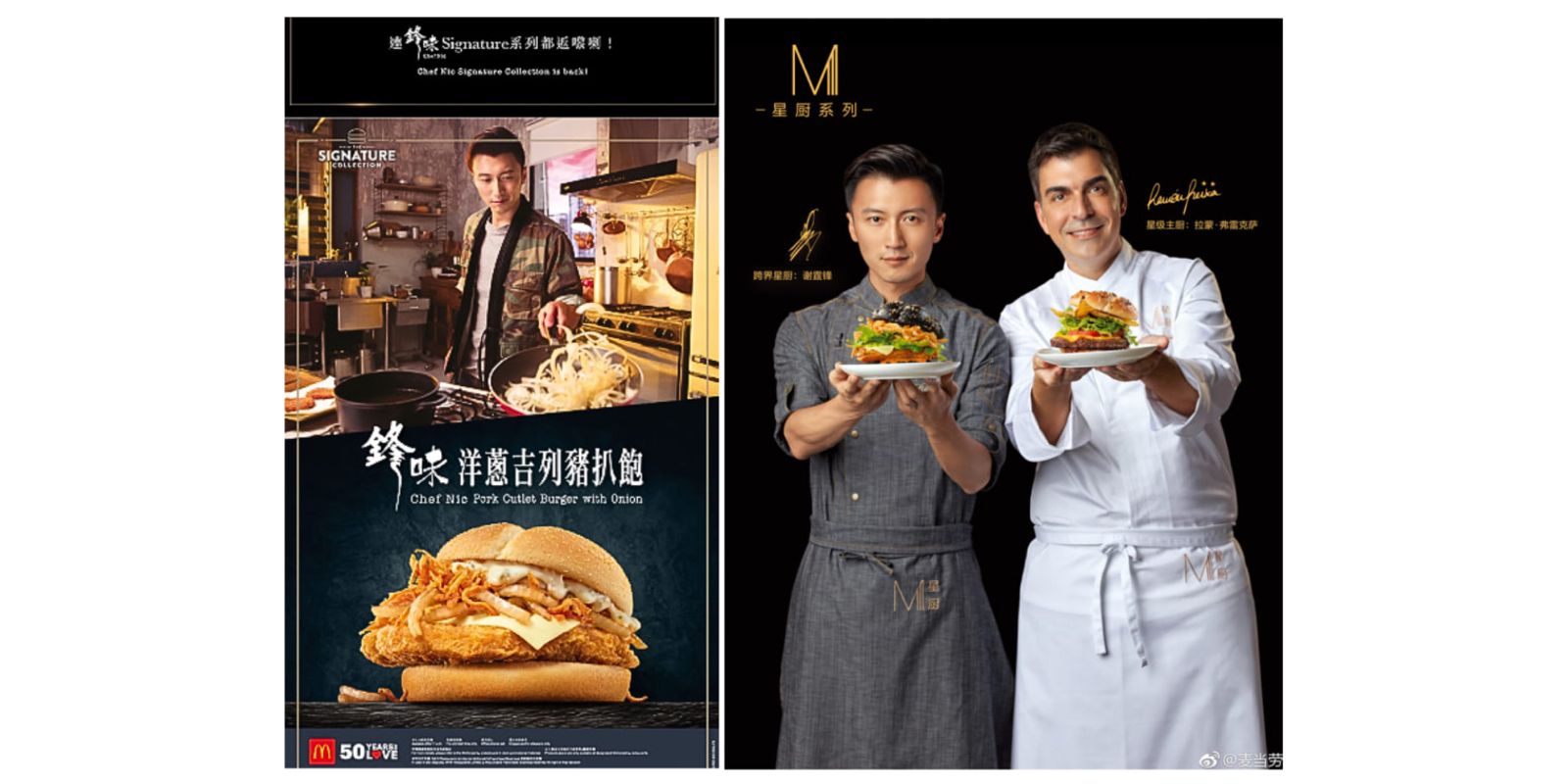
In Hong Kong, brands increasingly leverage local celebrities such as Nicholas Tse to deliver cultural context and create emotionally resonant campaigns. Tse, a renowned artist and celebrity chef, first collaborated with international chef Ramon Freixa seven years ago in China to launch the East-Meet-West Super Star Series, blending Eastern and Western culinary influences into innovative signature dishes. This collaboration established Tse as a credible culinary influencer capable of connecting food, culture, and storytelling.
Building on this foundation, McDonald’s Hong Kong invited Tse back for its 50th Anniversary “I’m Lovin’ It” Campaign, where he co-created limited-edition foods that combined local flavors with creative culinary design. By leveraging Tse’s celebrity appeal, culinary expertise, and cultural credibility, McDonald’s drove emotional engagement, social media buzz, and active consumer participation.
This demonstrates how celebrity chefs and creators act as cultural storytellers, turning campaigns into memorable, shareable moments. Modern branding in China is no longer transactional—it is cultural storytelling.
Image Source: McDonald’s
6. The New Metrics of Influence
Engagement in China’s creator economy goes far beyond likes and shares. Brands now measure:
- Emotional Resonance: How deeply audiences connect with the creator’s narrative.
- Conversion Relevance: How storytelling translates to purchase or participation.
- Cultural Credibility: Whether the creator authentically represents local values.
Platforms like Douyin and RED now provide AI-powered analytics and content-tag systems, tracing influence from first exposure to post-purchase engagement.
7. Future Outlook: From Viral to Valuable
The next stage of China’s creator economy will be defined by sustainability, AI, and social trust.
- AI-driven personalization will predict user interests and match them with creators seamlessly.
- Ethical influence and transparency—especially around sponsorship disclosures and content authenticity—will shape long-term credibility.
- Livestream commerce will evolve into experiential digital events that blend entertainment, education, and brand loyalty.
8. Conclusion: Co-Creation Is the New Currency
In China, influence is earned—not bought. Artists, influencers and creators are now shaping consumer sentiment, redefining what it means to trust, taste, and experience a brand.
The next wave of influence in China isn’t about who shouts the loudest—it’s about who listens, collaborates, and creates meaning together.
At China Digital Dynamics, we help brands navigate this creator-driven future—connecting global ideas with local voices through data intelligence, influencer strategy, and culturally resonant storytelling.
From KOL partnerships to AI-powered content ecosystems, we turn influence into impact and creativity into measurable growth.