'/%3e%3cpath%20d='M84%20126C60.804%20126%2042%20107.196%2042%2084C42%2060.804%2060.8041%2042%2084%2042L84%20126Z'%20fill='%235546FA'/%3e%3c/svg%3e)
Your B2B Brand in China: From Transactions to Trust in a Digital-First Economy
For years, China’s B2B world was driven by trade shows, handshakes, and guanxi — the personal relationships that turned introductions into contracts. But that landscape has changed. A new generation of decision-makers has arrived: data-driven, globally minded, and digitally native. They still value relationships, but they build them online first.
In today’s China, the B2B battlefield has shifted from sales rooms to search bars, from brochures to WeChat feeds. Visibility, credibility, and digital fluency now determine whether a brand can truly earn the trust — and business — of Chinese enterprises.
At China Digital Dynamics, we help international brands bridge cultural nuance with digital precision, turning awareness into scalable, authentic trust.
A Market Rewired by Digital Transformation
China’s B2B environment has evolved as rapidly as its consumers. Industrial modernization, government support for digital transformation, and the rise of AI are redefining how companies operate — and how they buy.
According to QuestMobile and iResearch (2024), over 80% of corporate decision-makers in China now use digital channels as their primary source for industry research and supplier evaluation. Even in traditional sectors — energy, logistics, and construction — buyers now go online to find partners, compare solutions, and engage with thought leaders.
Guanxi hasn’t disappeared; it has simply migrated online. Connections are now built through credible content, social engagement, and shared insights. A WeChat article, a webinar, or a Zhihu post can open the same door that once required a warm introduction.
The New Decision-Makers: Digital Natives in Suits
The middle-aged procurement officer making decisions over business banquets is a fading stereotype. Today’s B2B buyers—often in their 30s and 40s—grew up with Taobao, WeChat, LinkedIn, and Douyin. They scan QR codes, compare vendors on mobile, and follow professional influencers before ever meeting sales.
This generation values:
- Data-backed claims over slogans
- Peer validation over corporate messaging
- Transparency and responsiveness over hierarchy
Brands that educate, engage, and empower—through whitepapers, mini-videos, or localized case studies—win influence faster than those relying on glossy brochures. For international B2B brands, this means earning attention in the right digital spaces with the right story.
Where B2B Conversations Happen in China
While LinkedIn or trade expos still matter, China’s B2B engagement has moved decisively into homegrown ecosystems. Each platform plays a distinct role in the buyer journey:
- WeChat remains the hub of B2B communication — where companies build official accounts, share insights, and manage CRM-linked leads.
- Zhihu, China’s equivalent of Quora, has become a platform for expert credibility. Brands like Intel China and Huawei Cloud use it to publish in-depth answers and insights that attract technical audiences.
- Baidu is still the default for search and SEO — essential for brand discoverability.
- Bilibili and Douyin, once seen as consumer platforms, now host growing communities of engineers, marketers, and young professionals engaging with short-form explainer videos and thought-leadership content.
In short, B2B visibility in China today means being discoverable, searchable, and shareable across multiple touchpoints.
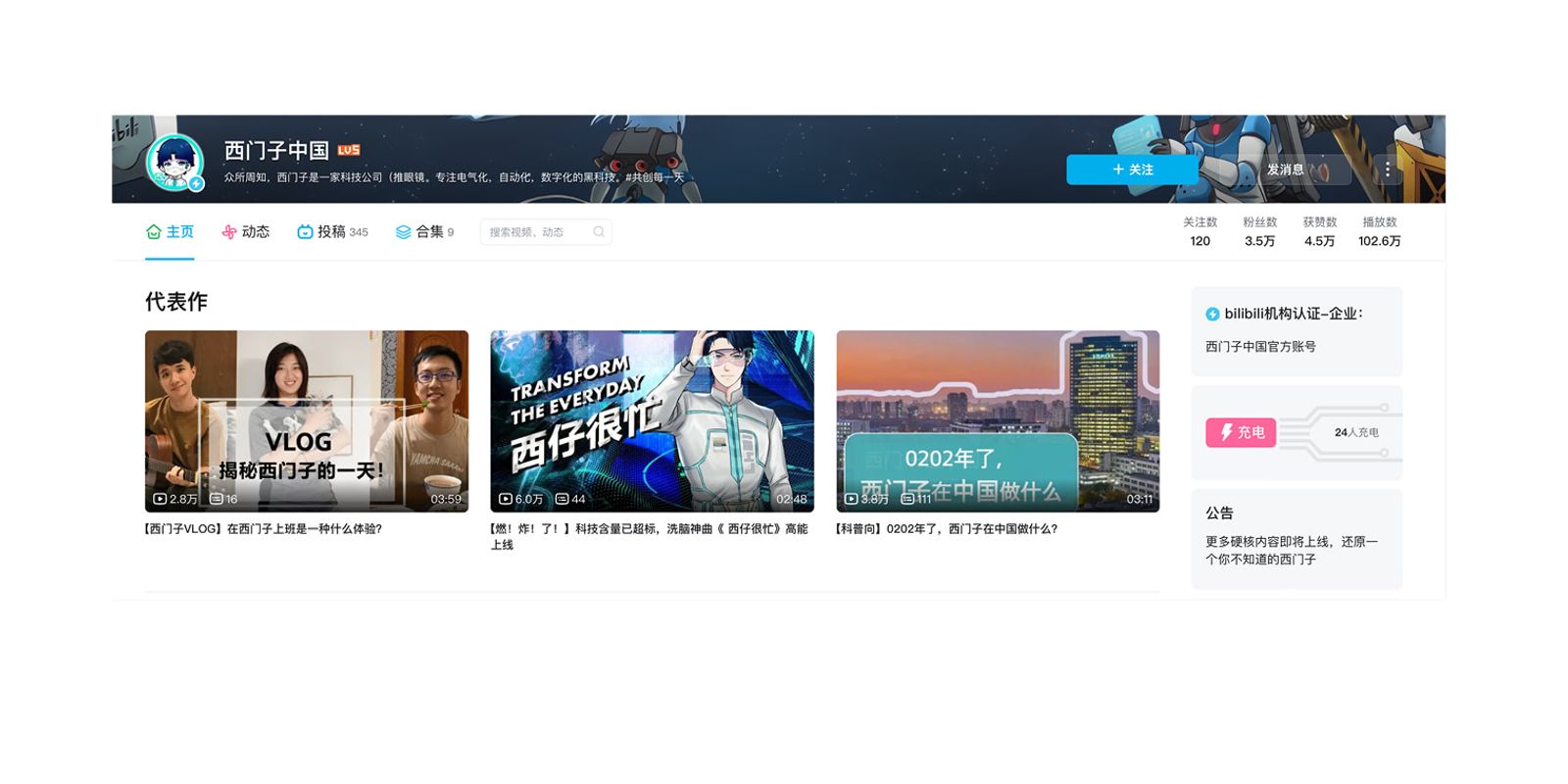
For example, Siemens China uses Bilibili to tell smart manufacturing stories through animations and livestreams, while its WeChat posts go deeper into innovation and collaboration. Together, these channels form a digital guanxi ecosystem — credibility built at scale.
Localization as Strategy. Not Translation
The most common mistake international B2B brands make in China isn’t about regulation — it’s about relevance.
China’s corporate audience expects brands to speak their language, both literally and culturally. This means more than just translating content; it requires reshaping the story. The most successful brands don’t position themselves as foreign experts — they act as partners in China’s innovation journey.
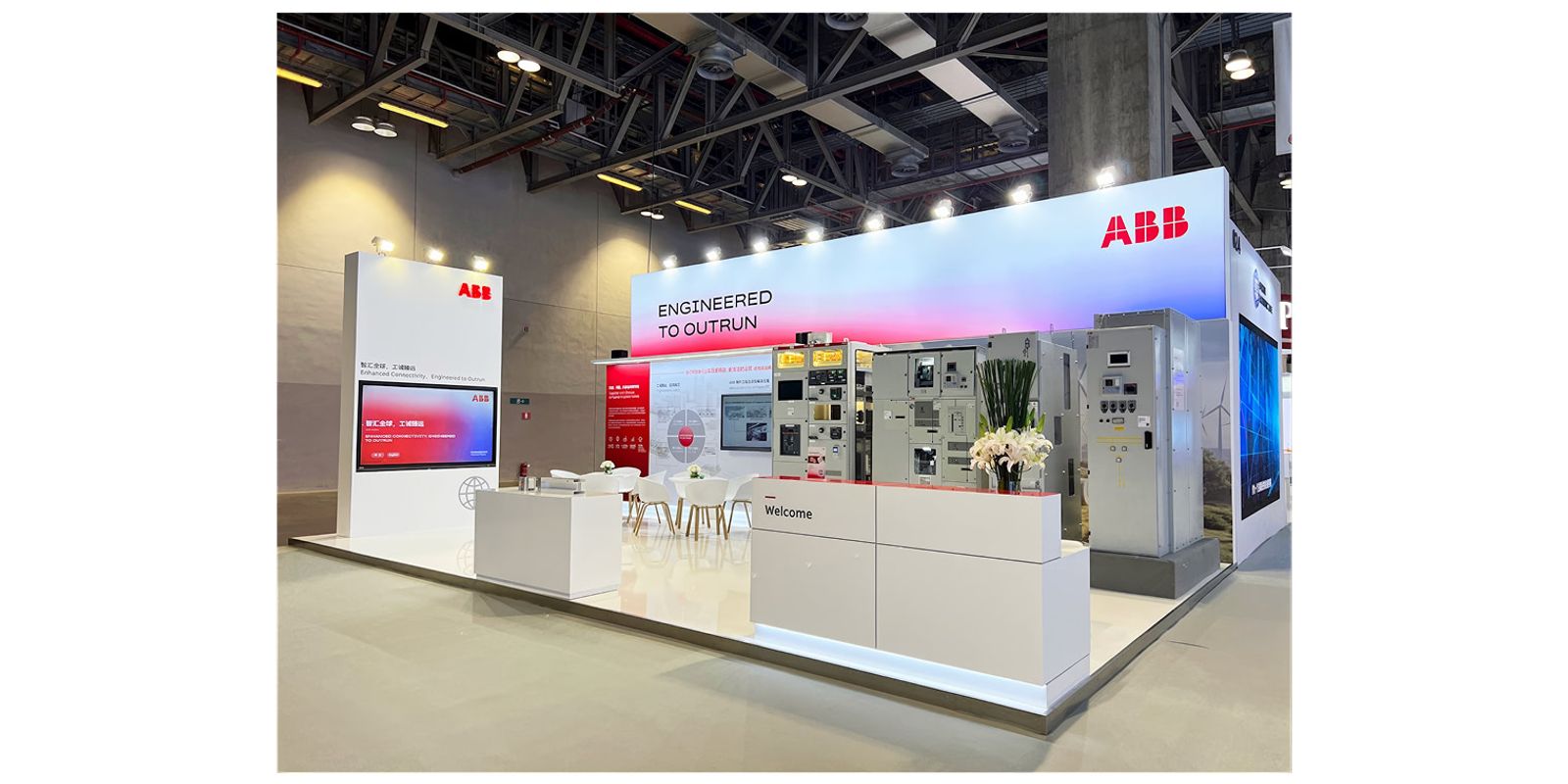
Example: ABB China created narratives around Smart Manufacturing and Sustainability aligned with the Made in China 2025 initiative. Chinese-language whitepapers and co-created case studies strengthened thought leadership while signaling long-term commitment. ABB continues this engagement through new robot families supporting China’s advanced manufacturing sector.
Source: ABB
Localization should also extend to UX and interaction. Chinese executives expect seamless mobile experiences: QR code access, WeChat Mini Programs, and instant follow-ups. If your B2B brand still relies on email forms and English PDFs, you’re not in their consideration set.
Content That Builds Credibility
In B2B China, trust isn’t built through promises — it’s built through proof. Brands must show, not tell — through stories, data, and expert perspective.
- Educate, Don’t Sell
Webinars, whitepapers, and expert interviews outperform product ads. SAP China’s Digital Transformation Stories video series highlights real local successes.
- Make It Human
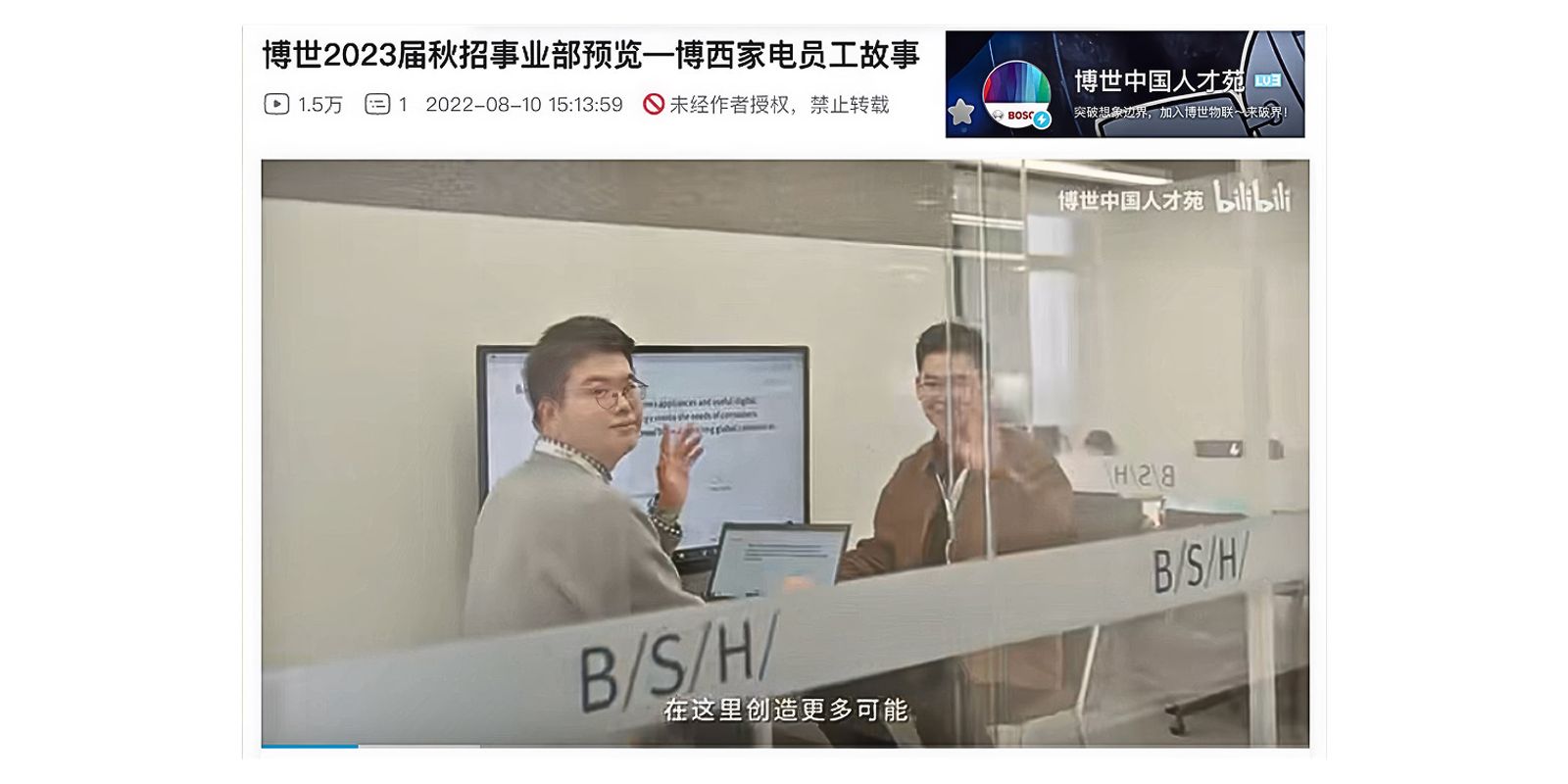
Even in technical sectors, decision-makers respond to emotion. Bosch China’s “Behind Every Innovation” campaign highlighted engineers’ stories — how their ideas improved safety and sustainability. The campaign attracted wide engagement on WeChat and Bilibili because it connected industrial technology with human purpose.
Source: Bosch China’s Bilibili
- Leverage Third-Party Voices
Partnering with local associations, think tanks, or universities adds credibility. A co-branded report or whitepaper with a respected Chinese institution builds instant credibility and signals long-term commitment.
In short, B2B storytelling in China works best when authority meets authenticity. The more your content feels real and useful, the faster it converts curiosity into confidence.
The New Rules of Relationship-Building
Relationships remain the foundation of Chinese business — but today, they are data-enabled and content-driven.
A potential buyer may follow your social media accounts, attend a virtual event like webinar, download a report or product information, and only later reach out to sales. Each step is a digital handshake.
The most successful B2B brands in China use integrated CRM systems to track this journey. WeChat Mini Programs, for instance, allow brands to collect leads, automate follow-ups, and personalized outreach without intrusion.
Offline engagement still matters — but now it’s amplified by digital reach. Hybrid trade shows, livestream product demos, and local community events extend the buyer experience.
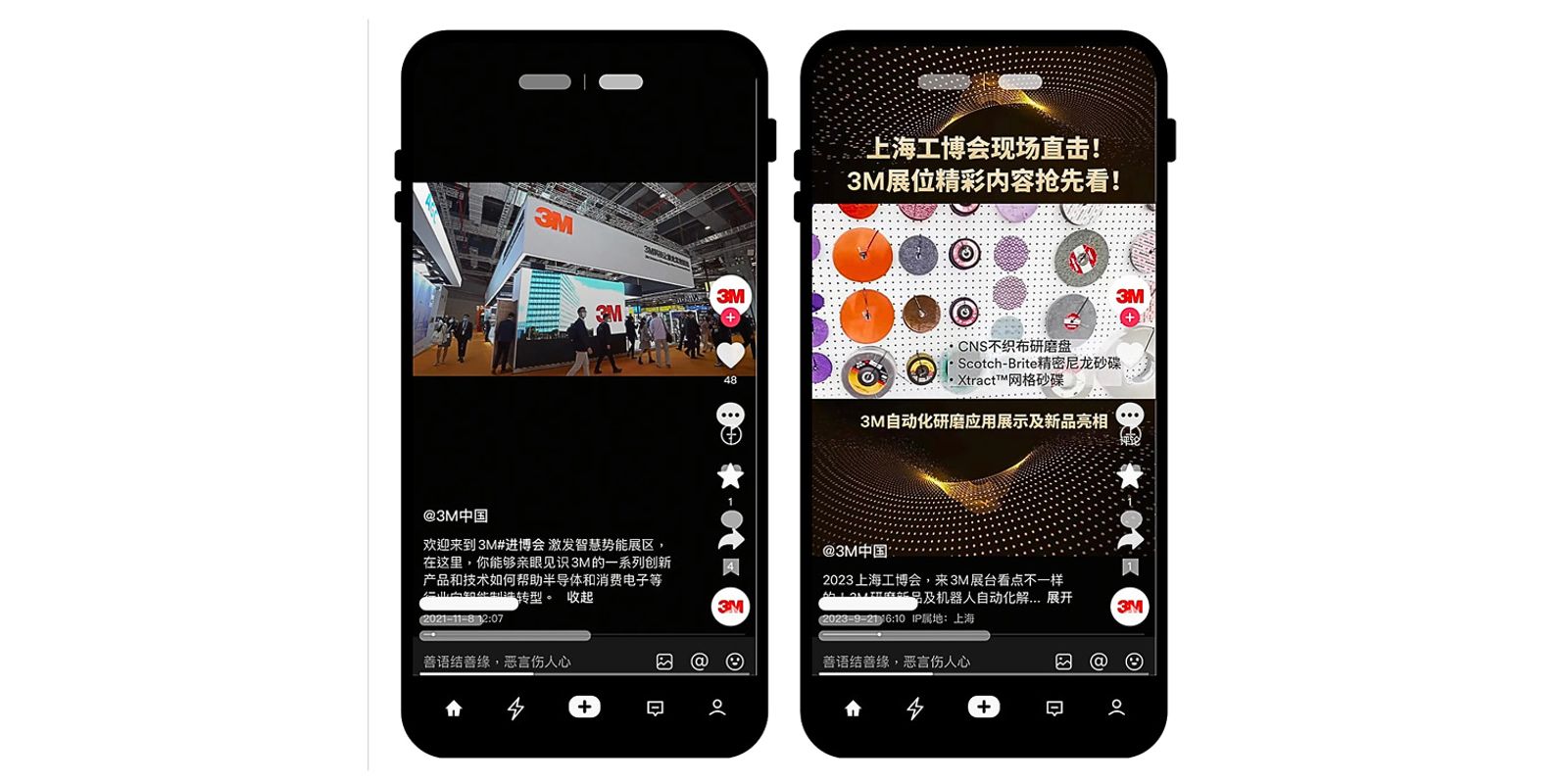
3M China livestreamed product demos during CIIE and CIIF via Douyin and Alibaba Live, reaching tens of thousands of professional viewers who later converted into leads.
Source: 3M China Douyin
AI and Automation: The Quiet Revolution
AI and automation are transforming B2B marketing in China—not as trendy buzzwords, but as critical operational tools. From intelligent lead scoring to adaptive content delivery, these technologies enable brands to engage audiences with precision at scale.
Huawei Cloud’s 2024 AI+ Enterprise Empowerment campaign used machine learning to optimize ad delivery across channels, boosting SME conversion rates. Beyond efficiency, AI enables large-scale personalization: a single WeChat post can be dynamically tailored by industry, company size, or region, transforming generic messages into highly relevant narratives.
Trends Shaping China’s B2B Future
Social Commerce Meets B2B
Douyin’s expanding livestream and mini-store ecosystem allows brands to merge storytelling with conversion.
Account-Based Marketing (ABM)
China’s data ecosystems are enabling precision targeting by account and role, letting brands run hyper-personalized outreach campaigns.
Virtual Events and Hybrid Networking
Webinars, interviews and live Q&As remain key to maintaining engagement post-
Sustainability as Strategy
With China’s carbon neutrality goals, ESG-driven storytelling now differentiates B2B brands. Brands like Schneider Electric China have built loyalty through “Green Manufacturing” initiatives that merge marketing with mission.
Co-creation with Local Partners
Chinese B2B buyers expect collaboration, not just transactions. International firms increasingly co-create content, innovation labs, or training programs with local clients — deepening both trust and visibility.
The New Equation: Trust = Transparency + Relevance
Winning in China’s B2B market isn’t about the biggest booth or flashiest campaign — it’s about understanding the audience and speaking their digital language.
Chinese business audiences are pragmatic but forward-thinking. They respond to brands that are transparent, responsive, and genuinely invested in their success. The companies that thrive here don’t simply sell products; they build ecosystems of mutual growth.
At China Digital Dynamics, we help international B2B brands turn localized storytelling into measurable business trust.
In 2025 and beyond, the true currency of B2B marketing in China is trust—built digitally, sustained humanly